Why Argan Oil Prices Are Rising & How to Spot Authentic Bottles

Argan oil—often called liquid gold—has seeped into every beauty routine worth its glow. But have you noticed the soaring prices lately? As we hit 2025, the reasons behind these rising costs are more urgent than ever. And at the same time, navigating a sea of counterfeit bottles demands sharp consumer awareness.
This guide explains why argan oil is expensive, breaks down the factors driving prices upward, and shows you exactly how to identify authentic argan oil, ensuring every drop you use is genuine.
The Rising Price of Argan Oil: A Perfect Storm of Pressures
1. Supply Is Shrinking — Demand Keeps Climbing
-
A recent AP News report reveals that Morocco’s argan forests are being threatened by drought, overharvesting, and booming global demand. These trees, essential to preventing desert expansion, are struggling to regenerate.(AP News)
-
The same article highlights that the precious ecosystems supporting the oil—and the women’s cooperatives that produce it—are under severe strain from environmental and economic pressures.(AP News)
2. A Global Market Boom
-
The global argan oil market is projected to reach around US $368.6 million in 2025, with forecasts doubling to $835.5 million by 2032. That’s a staggering growth rate of over 12% CAGR.(Persistence Market Research, Vocal)
-
This surge is fueled by rising demand across skincare, haircare, and culinary uses, with consumers favoring natural, multi-use ingredients.(Persistence Market Research, Fortune Business Insights)
3. Labor-Intensive, Traditional Production
-
Argan oil extraction remains laborious: rural women manually harvest fruit, crack kernels, and extract oil using time-tested methods. It can take 40 kg of dried fruit to produce just 1 liter of oil.(Wikipedia)
-
This slow, traditional process is the backbone of quality, but it also means limited output and high costs.(zineglob.com, Wikipedia)
4. Environmental Stress and Forest Decline
-
Since 2000, Morocco has lost about 40% of its argan forest cover, affecting both biodiversity and rural livelihoods.(illuminem.com)
-
Trees yield less fruit when facing climate stress and unsustainable land pressures, tightening supply further.(AP News, illuminem.com)
Why It Matters
This isn't just about higher price tags. It's about the cultural traditions and ecosystems vanishing along with the argan forests. The communities—especially cooperatives of women—are battling to preserve both their heritage and their income.
Morocco is now reforesting, intercropping argan trees with capers, and investing in infrastructure to help cooperatives get fairer market access. But broader reform is still needed to stabilize both price and supply.(AP News, illuminem.com)
How to Spot Real Argan Oil: Your Guide to Authenticity
Amid rising prices, it's more common than ever to find fake or diluted argan oil. Here's how to make sure you’re getting the real deal.
1. Look for the Right Color and Texture
-
Authentic argan oil usually has a golden-yellow hue. Oils that appear overly pale or too dark may be diluted.(Naturesse Cosmetics, lafeminite1.com)
-
Pure oil feels silky, smooth, lightweight, and non-sticky on your skin. If it leaves a greasy residue or feels watery, that’s a red flag.(SKINLAB, Naturesse Cosmetics)
2. Smell It — Natural, Not Chemical
-
Real argan oil has a subtle, nutty, earthy aroma. It shouldn’t be scentless, perfumed, or smell artificial.(ZAYNA, TravelAwaits)
3. Freeze or Bottle Tests (Consumer Tips)
-
A tip from Reddit suggests freezing a drop: if it solidifies quickly, it’s likely unadulterated. If not—it may be mixed with other oils.(Reddit)
-
Another quick check: pure argan oil shouldn't appear transparent—you shouldn’t see your fingers through it.(Reddit)
4. Check Ingredient Labels & Packaging
-
Genuine argan oil should list only “Argania Spinosa Kernel Oil”—no additives, fragrance, or water.(TravelAwaits, Naturesse Cosmetics)
-
Authentic product is often bottled in dark glass to protect its integrity from light.(Naturesse Cosmetics)
Real-World Validation
-
SkinLab Australia underscores that real argan oil absorbs gently without residue, while fakes feel sticky or vanish too quickly.(SKINLAB)
-
Naturesse Cosme highlights color, smell, texture, and packaging as key hallmarks of purity.(Naturesse Cosmetics)
-
A viral Instagram tip also confirms: proper argan oil comes in opaque bottles with nutty scent, golden hue, and only one ingredient.(Instagram)
The PeauFresh Advantage: Pure Organic Moroccan Argan Oil
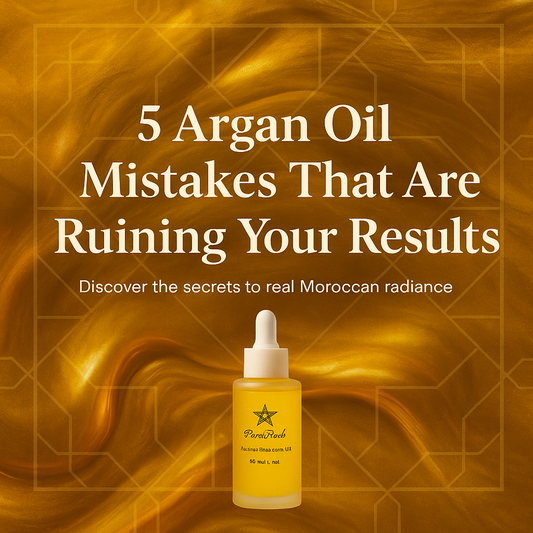
When authenticity matters, PeauFresh’s Pure Organic Moroccan Argan Oil stands apart. Here’s why:
-
Cold-pressed and unrefined, preserving active nutrients like vitamin E and essential fatty acids.
-
Packaged in protective dark glass to maintain quality.
-
Sustainably sourced with ethical commitments to supporting Moroccan cooperatives.
This is a bottle you can trust—price reflects care, tradition, and quality, not compromise.
Key Takeaways
|
Why Argan Oil Prices Are Rising |
How to Spot Authentic Oil |
|
Shrinking forest supply due to drought and overharvesting |
Look for golden-yellow color, nutty scent, silky texture |
|
Rapid global market growth (₹$368M in 2025, ₹$835M by 2032) |
Check ingredients—only Argania Spinosa Kernel Oil |
|
Labor-intensive traditional production methods |
Ideal packaging—dark glass, minimal additives |
|
Forest decline weakens ecosystem and yield |
Simple tests like freezing can reveal purity |
Visit the Collection
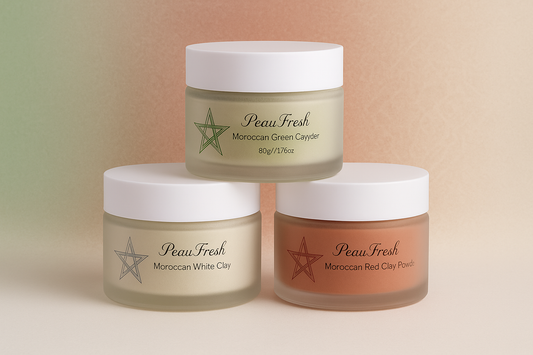
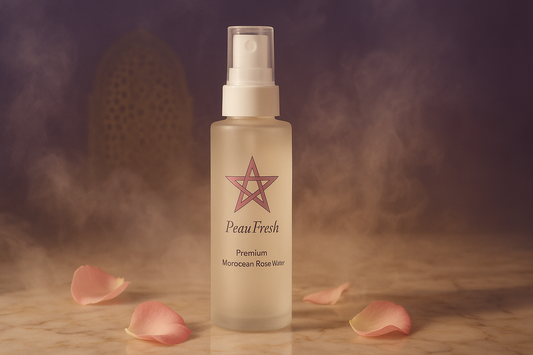
Explore PeauFresh’s sustainable Moroccan products, including the authentic Pure Organic Moroccan Argan Oil, as well as their Rose Water, Clay Powders, and more:
Final Word
Argan oil's rising price tag in 2025 isn't just a trend—it reflects a deepening environmental and cultural crisis. As core biodiversity shrinks and traditions hang in the balance, every bottle’s value matters more than ever.
When you choose authentic, ethically sourced argan oil, you're investing in sustainable beauty, and supporting a legacy worth preserving.